
 Posted by
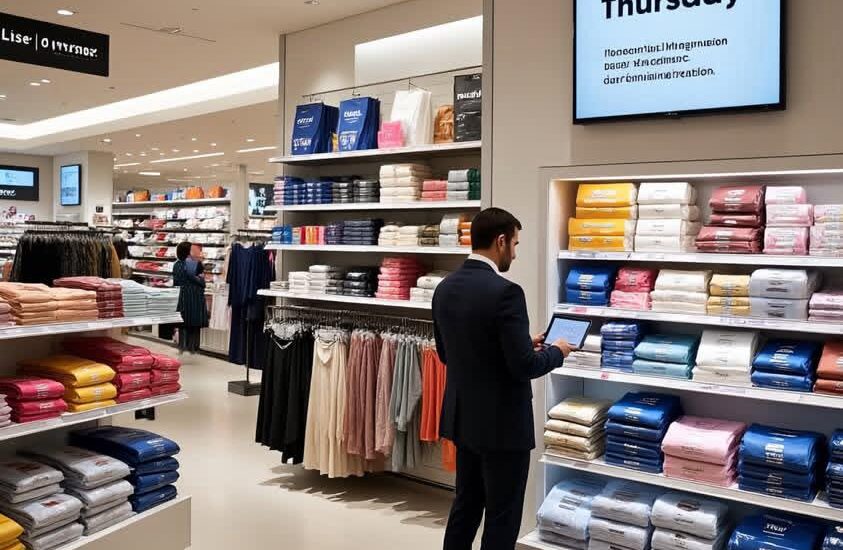
 I remember the first time I walked into a retail store as a manager-in-training and thought I had it all figured out. I had read the textbooks, sat through the seminars, and genuinely believed that managing a retail operation was mostly about keeping shelves stocked and employees scheduled. It took about three weeks on the floor to realize how wrong I was. Retail management is one of the most demanding disciplines in the business world, and the gap between knowing the theory and actually living it is wider than most people expect. Discover proven retail management strategies that boost sales, improve customer experience, and build stronger teams in today’s competitive retail market.
Retail management, at its core, is the process of overseeing the daily operations of a retail business to ensure profitability, customer satisfaction, and team efficiency. That definition sounds clean and simple, but anyone who has spent time in a retail environment knows it rarely works out that neatly. You are simultaneously a logistics coordinator, a customer service trainer, a data analyst, and sometimes a mediator for staff conflicts, all before noon on a Tuesday. The complexity is real, and so is the reward when you get it right.
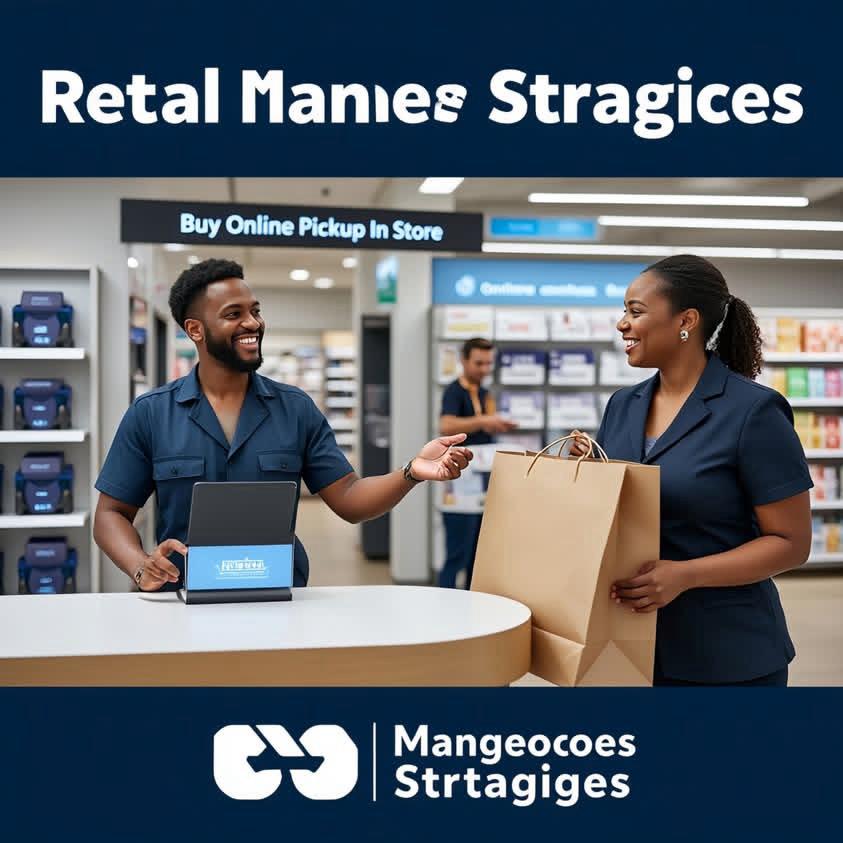
One of the most underappreciated aspects of effective retail management is inventory control. Poor inventory management is one of the leading causes of retail failure, and yet it is often treated as a back-office concern rather than a strategic priority. I learned this lesson the hard way when I over-ordered seasonal merchandise and was left with too much stock and not enough storage. The experience was humbling but educational. Retail managers who understand inventory turnover rates, shrinkage reduction, and demand forecasting are not just keeping shelves organized; they are protecting the financial health of the entire operation.
Customer experience management has also become a central pillar of modern retail strategy. The rise of e-commerce has fundamentally shifted what customers expect when they walk into a physical store. They want more than a transaction. They want an experience that feels personal, efficient, and worth leaving the house for. This is where retail management training becomes critical. Teaching your team how to engage customers, resolve complaints gracefully, and create a welcoming environment is not a soft skill anymore; it is a measurable business driver. Studies consistently show that customer retention is far more cost-effective than customer acquisition, and that means the investment in service quality pays dividends over time.
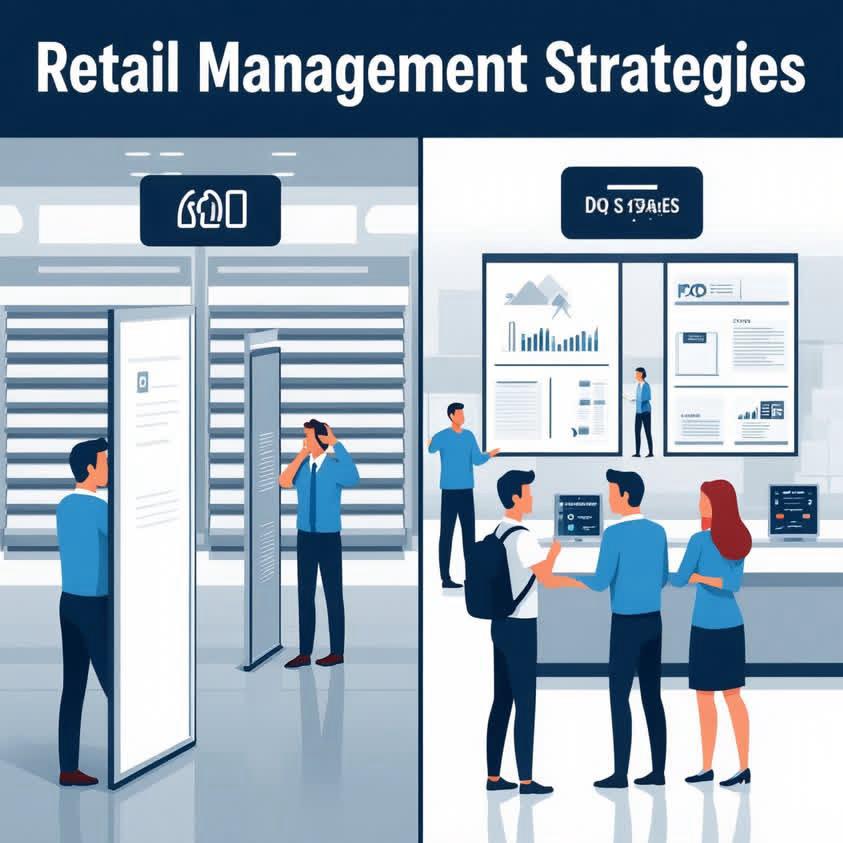
What about the people side of things? Retail workforce management is an area that many new managers underestimate. High turnover is one of the biggest challenges in the retail industry, and it costs more than most owners realize when you factor in recruitment, onboarding, and lost productivity. The managers I have seen build the most successful teams are the ones who treat their staff as professionals, not just hourly labor. That means clear communication about expectations, genuine recognition of performance, and opportunities for growth within the organization. Retail employee engagement is not just an HR talking point; it directly affects how customers feel when they interact with your staff.
Visual merchandising is another competency that falls squarely within the retail management umbrella and deserves more attention than it typically gets. The way products are arranged, lit, and presented influences purchasing behavior in ways that are well-documented in consumer psychology research. A well-executed store layout can increase average transaction value and guide customers toward higher-margin products without them ever feeling pressured. I have seen modest stores with thoughtful merchandising outperform larger competitors simply because they understood how to use their physical space strategically.
Technology integration has also become a non-negotiable part of retail operations management. Point-of-sale systems, customer relationship management software, and real-time analytics dashboards have transformed what is possible for retail managers. The data available today would have seemed extraordinary a decade ago. Knowing which products are moving, which promotions are converting, and which hours drive the most traffic allows managers to make decisions grounded in evidence rather than intuition. That said, technology is only as useful as the people interpreting it, which is why investing in retail management development and training remains just as important as investing in the tools themselves.
Reference
Bureau of Labor Statistics. (2023). Retail trade: NAICS 44-45. U.S. Department of Labor. https://www.bls.gov/iag/tgs/iag44-45.htm
Grewal, D., Levy, M., & Kumar, V. (2009). Customer experience management in retailing: An organizing framework. Journal of Retailing, 85(1), 1–14. https://doi.org/10.1016/j.jretai.2009.01.001
Kumar, V., & Reinartz, W. (2016). Creating enduring customer value. Journal of Marketing, 80, 36–68. https://doi.org/10.1509/jm.15.0414