

 Posted by
 I want to say right away that information technology is one of those terms that sounds simple until you try to pin it down. I have worked around enough offices to know that when someone says they work in IT, they could mean anything from crawling under desks to fix cables to designing massive cloud systems that span continents. At its core, information technology covers the computers, networks, software, and data systems we use to store, process, and share information.
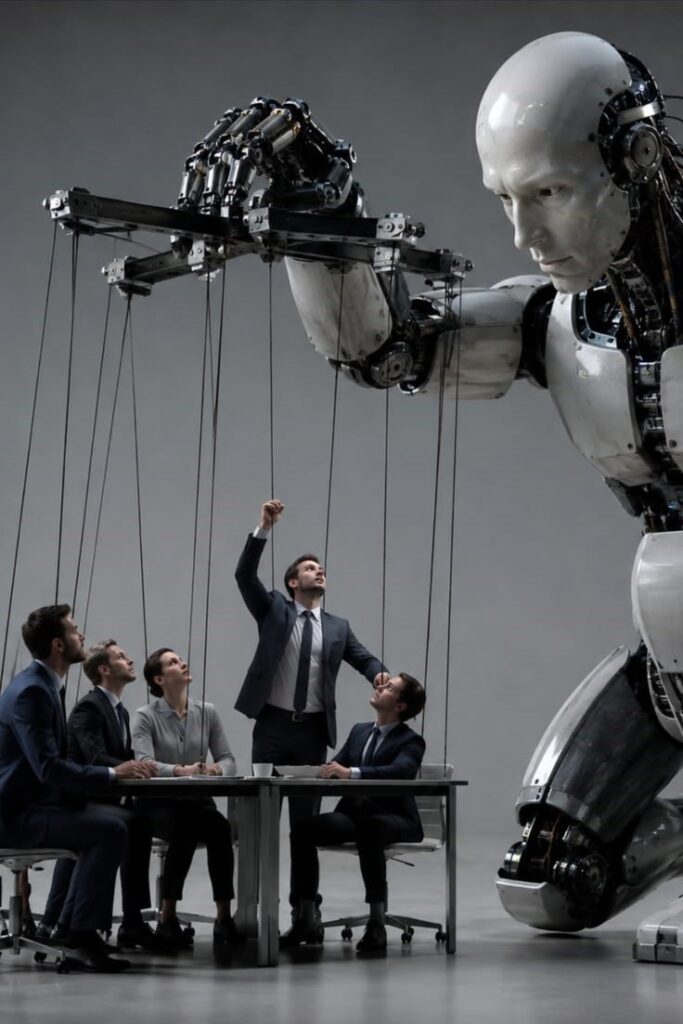
But here is the thing I keep coming back to. The technology itself is not what makes or breaks an organization. The people behind it are.I remember sitting in a meeting years ago where leadership announced a shiny new platform that was supposed to transform how we worked. Everyone nodded. Everyone smiled. Six months later, half the team still used spreadsheets because nobody bothered to explain why the new system mattered.
That experience shaped how I think about technology adoption. This article explores why information technology success depends on people, not machines, and how investing in training and security awareness delivers better results than chasing every new tool. I have seen this pattern repeat itself in every workplace I have entered since.
Economists Erik Brynjolfsson and Lorin Hitt looked at firm-level evidence from the computer era and found something that should make every business leader pause. The payoff from technology depended heavily on complementary organizational change. Companies that just bought computers saw modest gains. Companies that also redesigned workflows, retrained employees, and rethought how decisions got made saw much larger returns.
That research is decades old now, but I see the same dynamic play out constantly. So what actually makes the difference? It is not the processor speed or the storage capacity. It is whether people understand the purpose behind the tools they are given. The United States Bureau of Labor Statistics projects that employment in computer and information technology occupations will grow faster than the average for all occupations over the coming decade.
That tells me demand for skilled people is not fading. Automation and artificial intelligence will change tasks, sure. But I doubt they will remove the need for humans who can evaluate, secure, and explain these systems. Someone has to ask the hard questions. Someone has to decide what data matters and what does not. The National Institute of Standards and Technology publishes a Cybersecurity Framework that organizes risk management around functions like identify, protect, detect, respond, and recover.
Version 2.0 added a govern function, which I find telling. It acknowledges that security is not only a technical matter but a leadership responsibility. Many breaches begin with an ordinary mistake, such as a reused password or a convincing phishing email. No firewall can fully compensate for that. I have seen incredibly sophisticated security systems undone by someone clicking a link they should not have clicked. For more on this framework, you can visit the NIST Cybersecurity Framework page.
Organizations chase new tools far too eagerly. Every year brings a fresh wave of buzzwords, and leaders feel pressure to adopt them before competitors do. I would rather see a company master the basics first. Reliable backups. Updated systems. Clear access controls. Staff who know what to do when something looks suspicious. These steps are not glamorous, but they prevent the failures that make headlines.
The same advice applies to individuals. You do not need the newest phone or the trendiest app to benefit from technology. You need habits. Use a password manager. Enable multi-factor authentication. Question messages that create a sense of urgency. Digital literacy, in my view, is now as basic as reading a map was a generation ago.
I believe information technology works best when it is treated as a tool in service of human goals, not as a goal in itself. Invest in training. Invest in security. Invest in clear communication. The machines will keep improving on their own. The people using them need our attention far more. That is the lesson I keep learning, and I suspect I will keep learning it for years to come.
I think about this often when I talk with young professionals entering information technology careers. They ask me which certification will guarantee a job or which programming language will never go out of style. My answer usually disappoints them. The technical skills matter, yes, but curiosity, communication, and judgment matter just as much. A person who can listen to a frustrated colleague and translate that frustration into a fix is worth more than someone who only knows how to configure a server. That is the human side of IT that no algorithm can replace.
Maybe I am old-fashioned. Maybe the next wave of artificial intelligence will prove me wrong. But I doubt it. Technology will keep changing, and the specifics will keep fading. What remains is the need for people who can ask better questions, take responsibility, and connect tools to real needs. What is the point of a faster system if nobody trusts it? If we forget that, we will keep buying machines that sit unused and wondering why nothing improved.
If we remember it, information technology becomes what it was always meant to be: a way to help people do meaningful work.
References
Brynjolfsson, E., & Hitt, L. M. (2000). Beyond computation: Information technology, organizational transformation and business performance. Journal of Economic Perspectives, 14(4), 23–48.
U.S. Bureau of Labor Statistics. Occupational Outlook Handbook: Computer and Information Technology Occupations.
National Institute of Standards and Technology (2024). The NIST Cybersecurity Framework (CSF) 2.0.