

 Posted by
 I still remember sitting at my kitchen table with a spreadsheet that made my stomach drop. Tuition, fees, health insurance, rent, food, travel, and the quiet cost of leaving a salary behind. The total climbed well into six figures. Like most people, I first thought about loans, scholarships, and employer sponsorship. Then a strange question arrived. Could friends, family, and even strangers help pay for an MBA? I believe crowdfunding can play a real role, but only if I treat it as one piece of a larger plan.
Crowdfunding is simple in theory. I raise small amounts from many people through an online platform. Researchers talk about donation-based, reward-based, lending-based, and equity-based models. For education, donation and reward models are most common. I tell my story, set a target, and ask supporters to contribute. That sounds easy. It is not. Asking for money for a personal degree can feel exposed. Who really wants to fund someone else’s MBA?
The answer surprised me when I started paying attention. People fund people, not just causes. They fund a clear dream, a believable plan, and a person they already trust. A campaign is not a vending machine for tuition. It is a story with a target. I need to explain why I want the degree, what I plan to do afterward, and exactly how the funds will be used. I should offer something in return, even if it is only regular updates, a thank-you note, or a promise to mentor future applicants.
Before launch, I would share the goal with my network so early momentum exists. People are more inclined to back a campaign that already has support. I saw this with a friend who raised money for a community project. The first few gifts came from close friends. Then acquaintances joined because the campaign no longer looked empty. That small social proof mattered more than any fancy video.
I also learned something important: Crowdfunding for MBA students can work as a gap-filling strategy when a strong story, a real network, and realistic MBA financing plans come together. That lesson changed how I viewed the whole process. It made me less dreamy and more strategic. Academic research gives useful guidance. Ethan Mollick studied projects on Kickstarter and found that the quality of a project’s presentation and the size of the founder’s social network were closely tied to success.
Belleflamme, Lambert, and Schwienbacher describe crowdfunding as a way of tapping the right crowd. For MBA crowdfunding, that means success depends on reaching people who care about my goal. The platform matters less than I once thought. My network and my narrative matter more. Is that not both comforting and terrifying? Comforting because I can shape my story. Terrifying because I cannot fake a community.
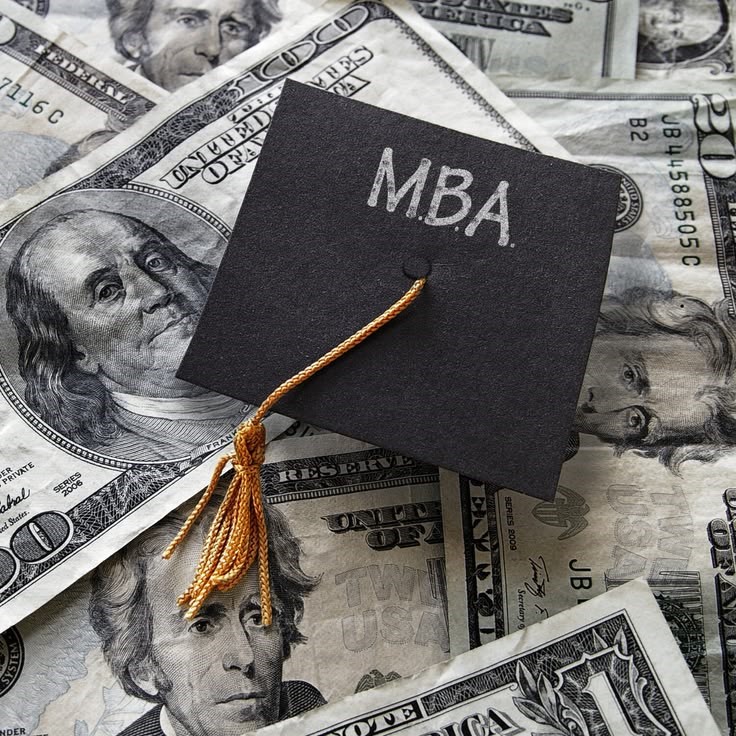
Consider a simple example. Suppose I need a modest amount to cover my first-term costs. A campaign built around that specific, achievable target feels more believable than a request for the entire tuition bill. I would explain the deposit, books, and a few months of living expenses. I would promise monthly updates and offer to help future applicants with their essays. I would ask former colleagues, classmates, and mentors first. Then I would widen the circle. Does that guarantee success? No. But it gives the campaign a real foundation.
I want to be honest about the limits. Campaigns for personal education rarely cover the full cost of an MBA. Raising money from friends and family can strain relationships if expectations are unclear. Platform fees apply. Donations may carry tax consequences, so I would check the rules with a qualified professional before I begin. Above all, a campaign can fail publicly, which is uncomfortable for anyone. I have watched public campaigns stall. The silence after a slow week can feel personal. That is why I would never rely on crowdfunding alone.
That is why I see crowdfunding as a supplement. I would start with scholarships, fellowships, employer tuition support, and federal aid where it is available. Borrowing rules have changed recently in the United States, so I would review the current limits at studentaid.gov before I build a budget. Then I would use crowdfunding to fill the gap that remains. Perhaps it covers a deposit, books, or a semester of living costs. That is a realistic role for business school crowdfunding. It is not a replacement for MBA financing options. It is a creative addition.
My verdict is that crowdfunding an MBA is creative, feasible, and worth serious thought for people with strong networks and a compelling story. It is not a magic solution. It works best as one thread in a financing plan that also includes realistic budgeting and a clear view of the career I expect the degree to unlock. If I am willing to share my ambitions openly, I might discover that more people want to support me than I expected. And that possibility, however uncertain, is worth considering when I look at the true cost of paying for an MBA.
If I were to start tomorrow, I would begin with a single conversation, not a platform. I would ask one trusted mentor to read my story and tell me where it sounds vague. Then I would set a small target, name the exact costs, and invite people into the journey with honest updates. I would not wait until I felt ready, because readiness rarely arrives on schedule. Would I feel nervous?
Absolutely. But I would rather try a creative financing option and learn from it than wonder forever whether my network would have shown up. That is the real lesson I take from crowdfunding an MBA. The money may or may not come. The clarity I gain about my goals, my supporters, and my own courage is worth something too.
References
Mollick, E. (2014). The dynamics of crowdfunding: An exploratory study. Journal of Business Venturing, 29(1), 1–16.
Belleflamme, P., Lambert, T., & Schwienbacher, A. (2014). Crowdfunding: Tapping the right crowd.
Journal of Business Venturing, 29(5), 585–609.
U.S. Department of Education, Federal Student Aid. Federal student loan information.