
 Posted by
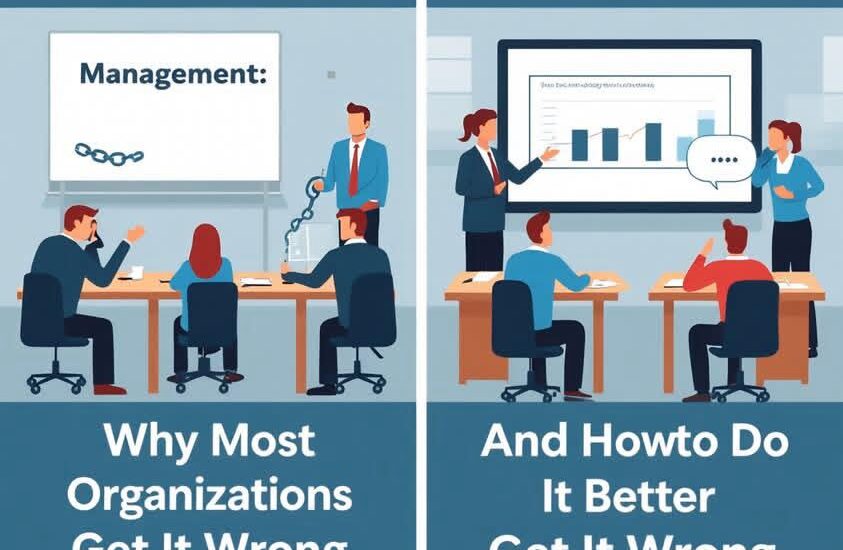
 Discover why most initiatives fail and how to lead organizational change that sticks. The first time I watched a major organizational change completely fall apart in real time. The company had announced a sweeping restructuring initiative, new systems, new reporting lines, and new everything, and the leadership team seemed genuinely puzzled when employees started pushing back within the first week. The change management plan had been drafted by a consulting firm, reviewed at the executive level, and implemented as a directive. Nobody had asked the people most affected by it what they actually thought. That experience stayed with me, and it shaped everything I now believe about how organizations handle change.
Change management, at its core, is the structured approach to transitioning individuals, teams, and entire organizations from a current state to a desired future state. That sounds clean and clinical when you write it out like that, but in practice, it is messy, political, and deeply human. Most organizations treat change management as a communication plan with a few training sessions bolted on. That is not change management. That is announcements with PowerPoint slides. Real change management requires a fundamental shift in how leadership thinks about people, not as variables to be managed, but as stakeholders whose cooperation determines whether the change actually sticks.
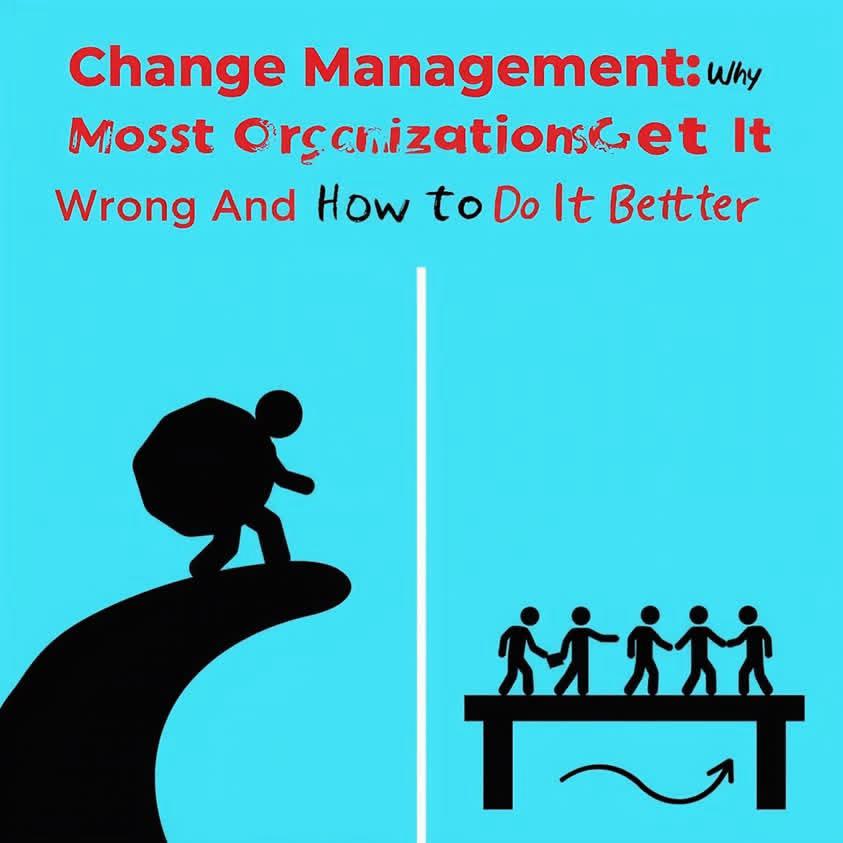
What makes effective change management so difficult is that it operates at the intersection of strategy, psychology, and organizational culture. You can have the most sophisticated change management framework in the world, and many organizations do invest in frameworks like Kotter’s 8-Step Model or the Prosci ADKAR Model, but if the underlying culture is resistant to transparency and dialogue, those frameworks become hollow rituals. I have seen organizations check every box on a change readiness assessment and still watch their initiatives collapse because nobody addressed the informal power structures and the unspoken fears driving resistance.
Resistance to change is not irrational. That is something worth sitting with for a moment. When employees resist organizational change, they are often responding to something very real: a threat to their identity, their sense of competence, or their job security. Change management professionals who dismiss resistance as “just human nature” are missing an opportunity. Resistance is data. It tells you where the change initiative is unclear, where trust has not been established, and where leadership communication has fallen short. Treating resistance as a signal rather than an obstacle is one of the most practical shifts any change leader can make.
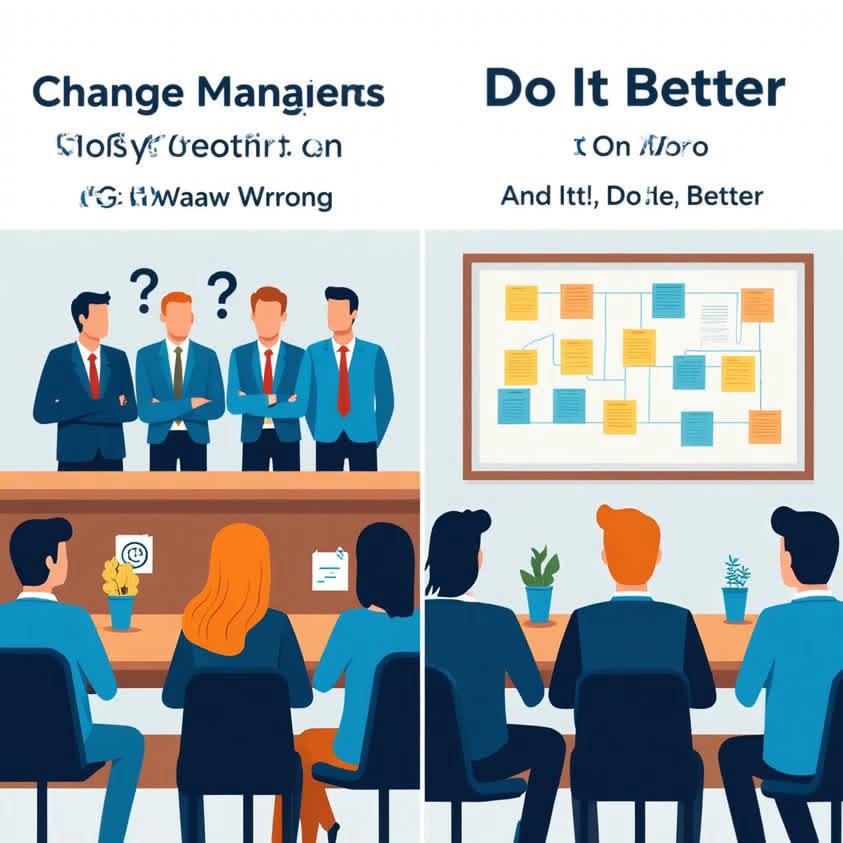
The role of leadership in driving successful change management cannot be overstated. Research consistently shows that visible, credible sponsorship from senior leadership is one of the strongest predictors of change success. But sponsorship does not mean sending a company-wide email from the CEO and then disappearing back into the executive suite.
It means being present in the conversations where resistance lives, modeling the behaviors the change requires, and being honest when the path forward is uncertain. Employees can tolerate ambiguity far better than they can tolerate being misled. Authentic leadership communication, even when it acknowledges what is not yet known, builds the kind of trust that makes change possible.
One thing I have come to believe deeply is that sustainable organizational change requires investment in the people side of change, not just the technical side. Organizations tend to overfund the systems implementation and underfund the human transformation. You can deploy a new enterprise resource planning system flawlessly and still see adoption rates crater six months later because the training was inadequate, the change champions were not empowered, and the middle managers who quietly opposed the initiative were never brought on board. The organizational change management literature has been making this point for decades. The gap is not in knowledge; it is in execution.
There is also the question of timing and pace. How fast should an organization push a major change initiative? Too slow and momentum dies, skeptics entrench, and the business case erodes. Too fast, and people feel steamrolled, compliance becomes superficial, and the change does not embed in actual behavior. Getting that pacing right requires ongoing diagnosis, listening to what employees are experiencing, watching where confusion persists, and being willing to adjust the plan when evidence suggests it is not working. Change management is not a straight line. It is iterative.
What I keep coming back to, after years of watching organizations succeed and fail at this, is that the best change management practitioners share one quality above all others: genuine curiosity about people. They want to understand what someone is afraid of, what they care about, and what would make this change feel less threatening and more meaningful.
Reference
Armenakis, A. A., & Bedeian, A. G. (1999). Organizational change: A review of theory and research in the 1990s. Journal of Management, 25(3), 293–315. https://doi.org/10.1177/014920639902500303
Higgs, M., & Rowland, D. (2005). All changes great and small: Exploring approaches to change and its leadership. Journal of Change Management, 5(2), 121–151. https://doi.org/10.1080/14697010500082902
U.S. Office of Personnel Management. (2017). Change management guide. https://www.opm.gov/policy-data-oversight/people-act/